






A lot changes during puberty – not just externally, but also inside your body. While your voice, skin, and mood noticeably rollercoaster, more is happening in your mouth than meets the eye. Hormonal changes directly affect your gums: they become softer, more permeable, and thus more susceptible to irritation and inflammation.
In addition, daily life often changes rapidly during this phase. Between school, homework, hobbies, friends, and digital distractions, there's little room for conscious nutrition or a particularly thorough dental care routine. Many teenagers more frequently reach for sweet snacks, energy drinks, or fast food – all of which can further strain oral health.
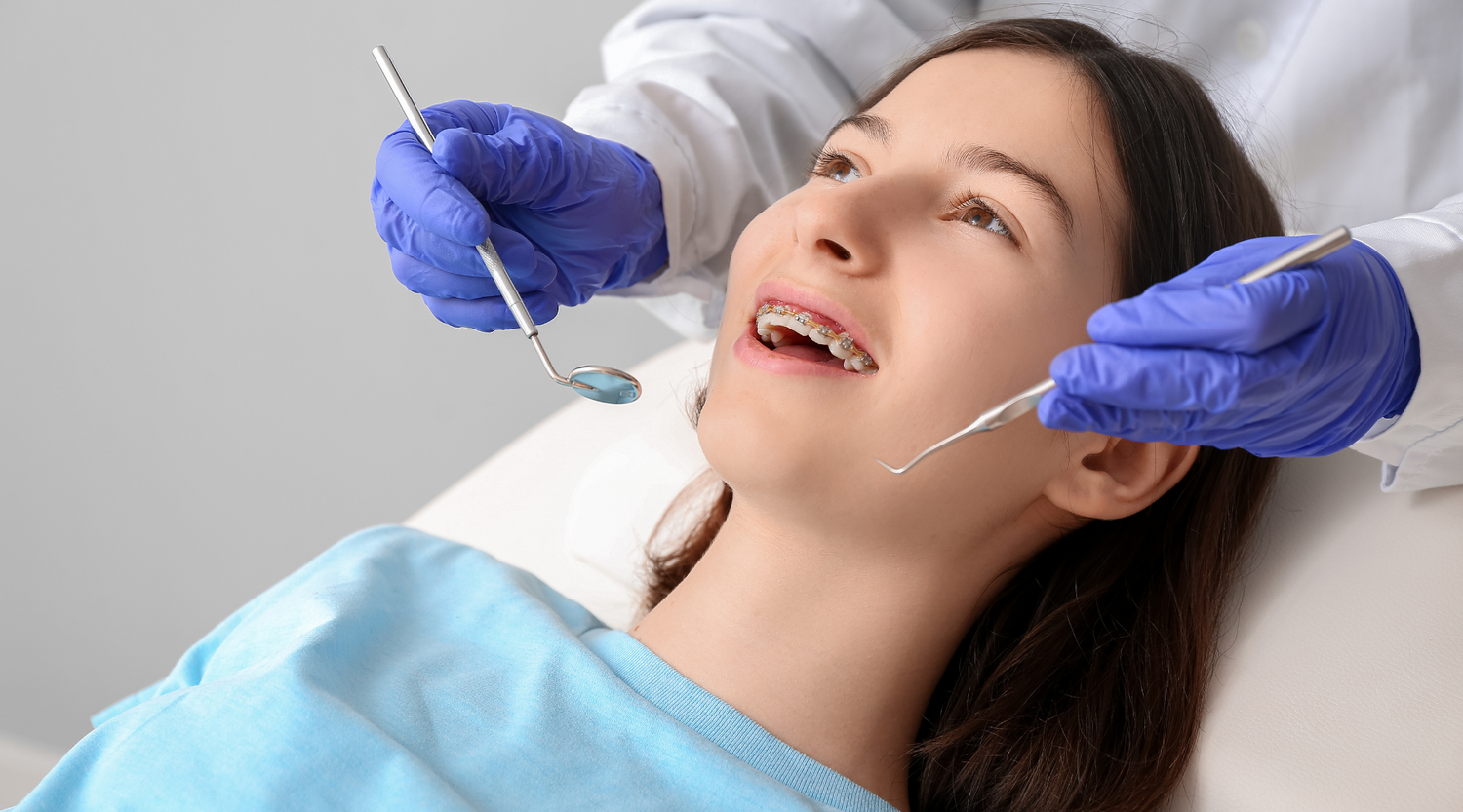
If you also wear braces, this means additional cleaning challenges: more corners, more edges, more places where plaque and food residues can accumulate.
All these factors combined make it clear why meticulous dental care is especially important right now. Because developing a good routine during puberty lays the foundation for healthy teeth – today, tomorrow, and far beyond.
In this article, you will learn what to pay particular attention to in dental care during puberty, which tips will make everyday life with braces & Co. easier – and how small changes can help you maintain a radiant, healthy smile in the long term.
What happens to your teeth during puberty?
Puberty is a time of change – your body grows, your hormone balance shifts, and many things suddenly feel new or unfamiliar. But what is often overlooked: changes also occur in your mouth that can permanently affect your dental health.
This is particularly noticeable in your gums. They often become softer, more sensitive, and react more quickly to stimuli during this phase. Perhaps you've noticed blood in the sink when brushing your teeth? That can be a first warning sign of gingivitis.
Your saliva also changes during puberty. Its composition is affected, making it easier for bacteria to attach to your teeth and gums. The risk of plaque and cavities increases – especially if sugary snacks, soft drinks, or energy drinks are frequently involved.
Many teenagers eat irregularly during this phase, often in between meals, and resort to quick, sweet solutions. No wonder – daily life is busy, and energy needs to be replenished quickly. But this is precisely where the challenge lies: teeth need protection, especially when they are more frequently exposed to sugar, acids, and sticky deposits.
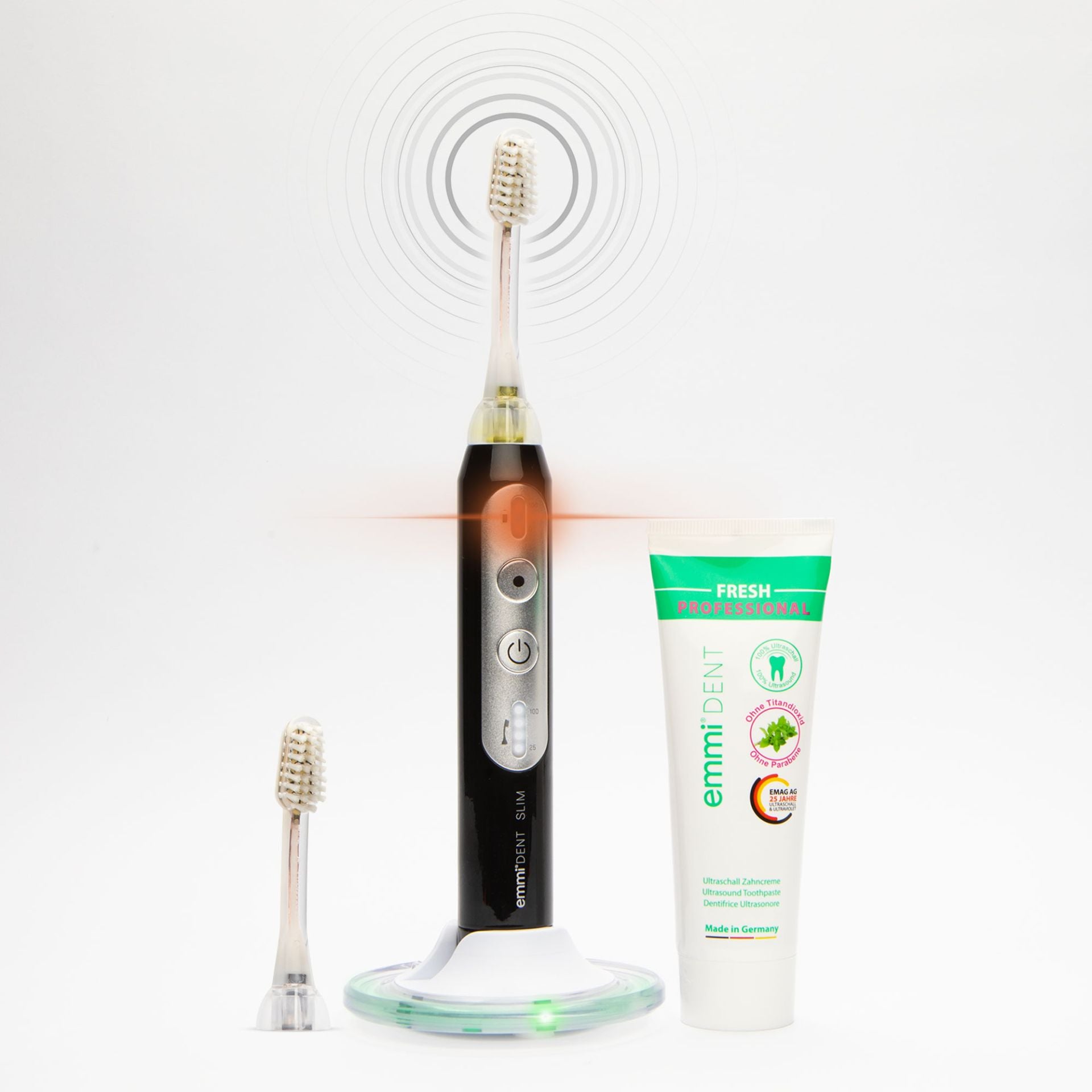
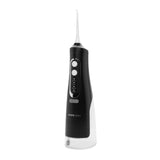
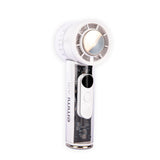
The good news is: you can actively do something to strengthen your oral health. A particularly thorough yet gentle cleaning is now crucial – and for this, the emmi-dent Platinum Care or the handy emmi-dent Slim are suitable. With real ultrasonic technology, you clean gently, deeply, and without pressure – without additionally irritating the sensitive gums. At the same time, ultrasound helps to effectively dissolve plaque on teeth and in interdental spaces and reduce bacteria.
Especially now, when so much is changing, it's good to know: with the right care, you stay one step ahead of your smile.
3 dental care tips for teenagers: How to succeed despite hormonal chaos
You can implement our 3 dental care tips for teenagers in puberty immediately.
1. Gentle dental care for sensitive gums – without rubbing
Especially during puberty, your gums can react more sensitively than usual. Hormonal changes make them softer, more permeable, and thus more susceptible to irritation or even gum recession. If you are prone to sensitive areas in your mouth, it is particularly important to choose the right toothbrush.
The basic rule is: avoid hard bristles. Even better: use a toothbrush that cleans completely without mechanical pressure – like our emmi-dent ultrasonic toothbrushes.
- No rubbing, no mechanical brushing – the gums are protected.
- No risk of injury or gum recession.
- Ideal for braces – even hard-to-reach areas are thoroughly cleaned.
- A pleasantly clean feeling in the mouth – completely without pain.
Particularly recommended: the emmi-dent Platinum CAM – for everyone who values thorough but gentle care.
2. Interdental spaces? Don't forget!
Even if you brush thoroughly – some areas remain difficult to access. Especially the narrow interdental spaces are often overlooked. This is exactly where cavity-causing bacteria feel most comfortable.
- For beginners: Dental floss with a threader (e.g., Superfloss)
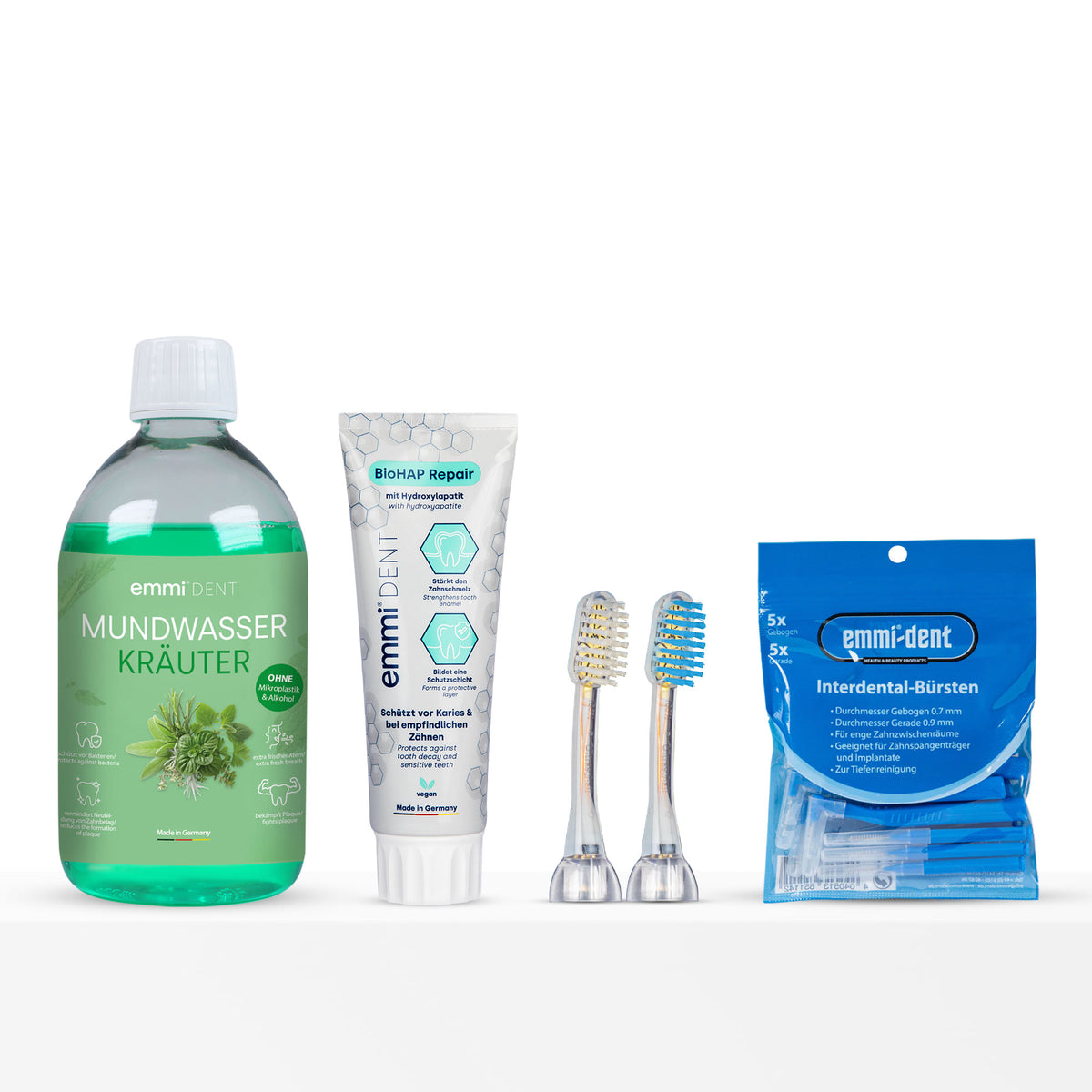
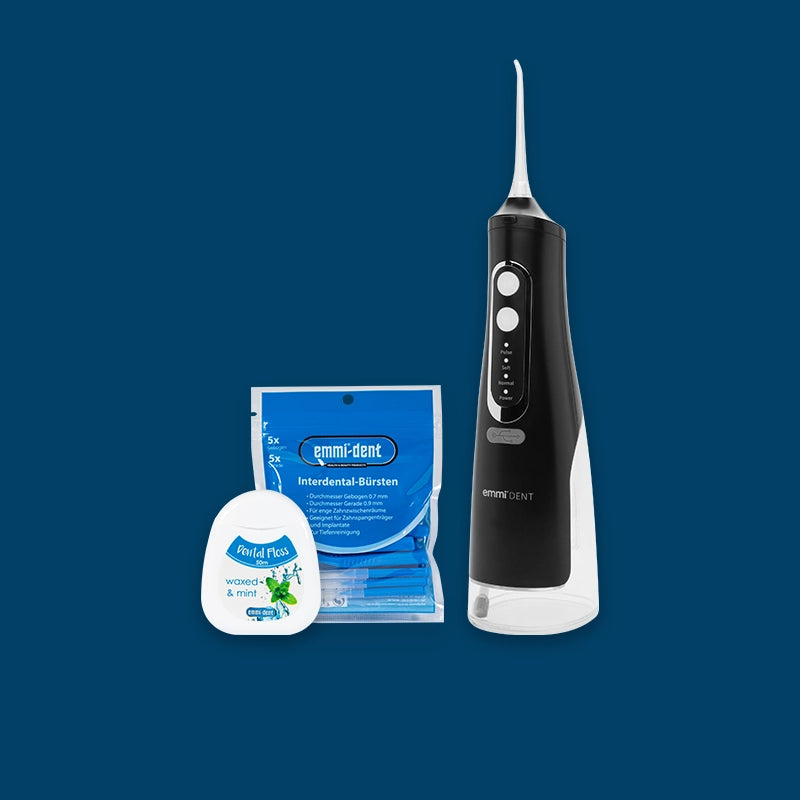
- For advanced users: Interdental brushes
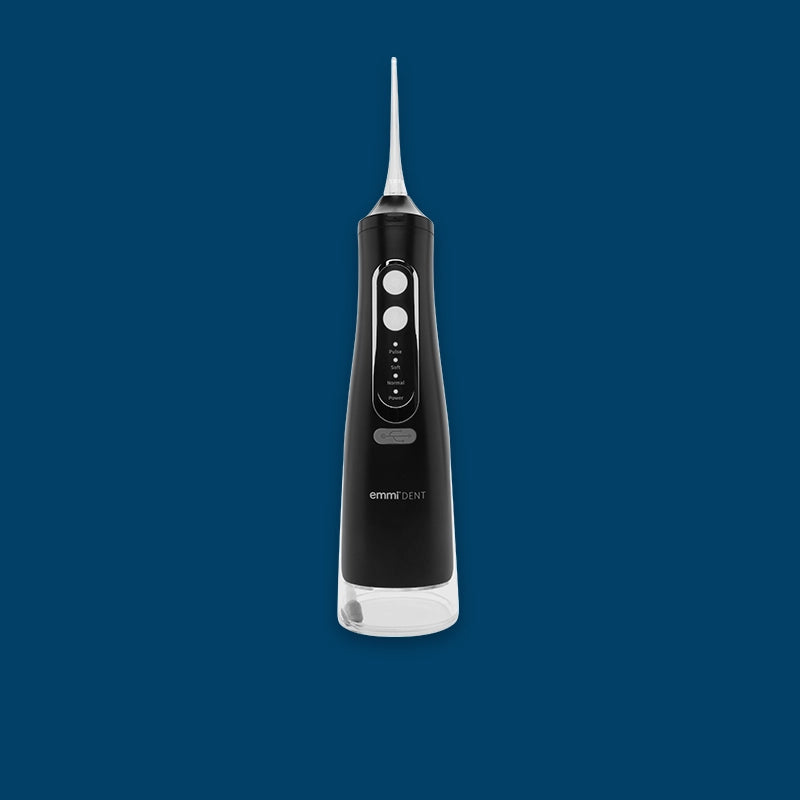
- For convenient cleaning: emmi-dent oral irrigator
Daily use takes only one minute – and makes a big difference.
3. The right toothpaste: with fluoride – for strong tooth enamel
During puberty, your eating habits also change – many tend to consume more acidic or sugary foods. These attack tooth enamel.
Fluoride protects: It strengthens tooth enamel, promotes remineralization, and makes your teeth more resistant to acid attacks.
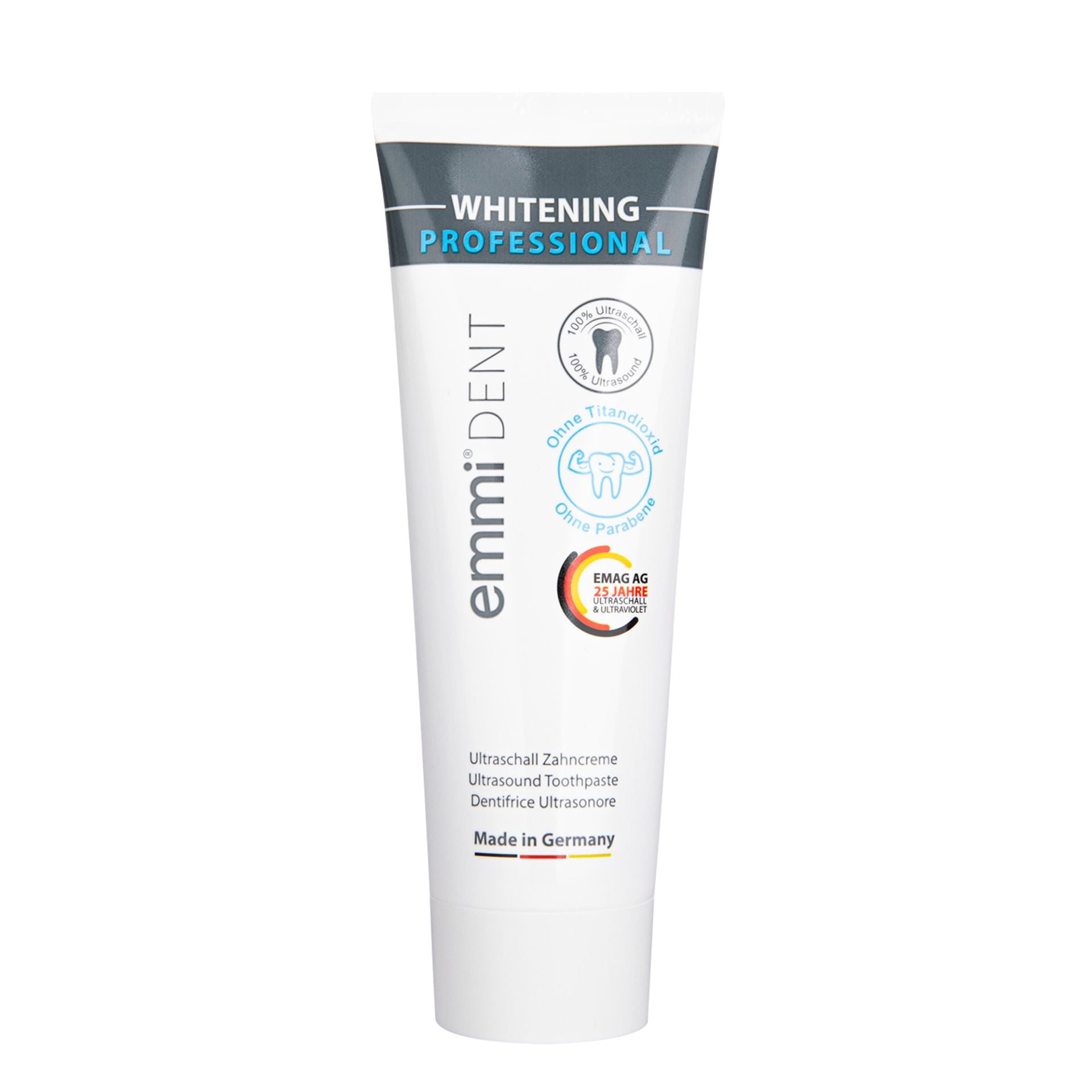
Ideal: emmi-dent toothpaste – perfectly matched to our ultrasonic toothbrushes.
- Gentle cleaning without friction
- Effective protection against cavities and acid erosion
- Fresh mouthfeel – day after day
If motivation is lacking: Make it easier for yourself
Teenage life is stressful. School, friends, first dates, social media… Who thinks about brushing their teeth then?
Our tips for more motivation:
- Use an app with a timer and reminders
- Make it a challenge: Who brushes most thoroughly?
- Get cool products – e.g., from emmi-dent
- Remember: A healthy smile accompanies you for a lifetime
Dental care in puberty: With trust, not pressure
You want the best for your child – naturally. Especially when it comes to health and good habits, you want your teenager to take responsibility. But this is precisely where tact is needed. Because during puberty, well-intentioned pressure often meets resistance. What you mean as help can quickly be perceived as control.
The good news: there's another way. With empathy, openness, and a little patience, you can support your child without straining the relationship. The following strategies are particularly helpful:
- Lead by example rather than dictate: Teenagers are more influenced by what they see their parents do than one might think. Those who brush their teeth regularly and mindfully themselves automatically convey: dental care is part of everyday life – quite naturally.
- Educate – clearly and respectfully: No wagging finger, but real information: Explain why care is particularly important in this phase of life – for example, that hormonal gums react more sensitively or that plaque forms faster when wearing braces.
- Remind – kindly, but firmly: Instead of nagging: short, affectionate reminders, perhaps integrated into the daily routine ("Remember your teeth before you go to school") often help more than constant nagging.
- Shop together = new commitment: A new toothbrush can feel like a fresh start. Perhaps you can try our emmi-dent ultrasonic toothbrushes together – this not only sparks curiosity but also makes your teenager feel taken seriously.
- Connection instead of control: Dental care can also be a moment of closeness: discussing routines together, choosing products, sharing experiences. Especially with sensitive topics like personal hygiene, an open, supportive attitude helps enormously.
Because even if your child is growing up – they remain receptive to genuine affection. Everything is easier together – even dental care.